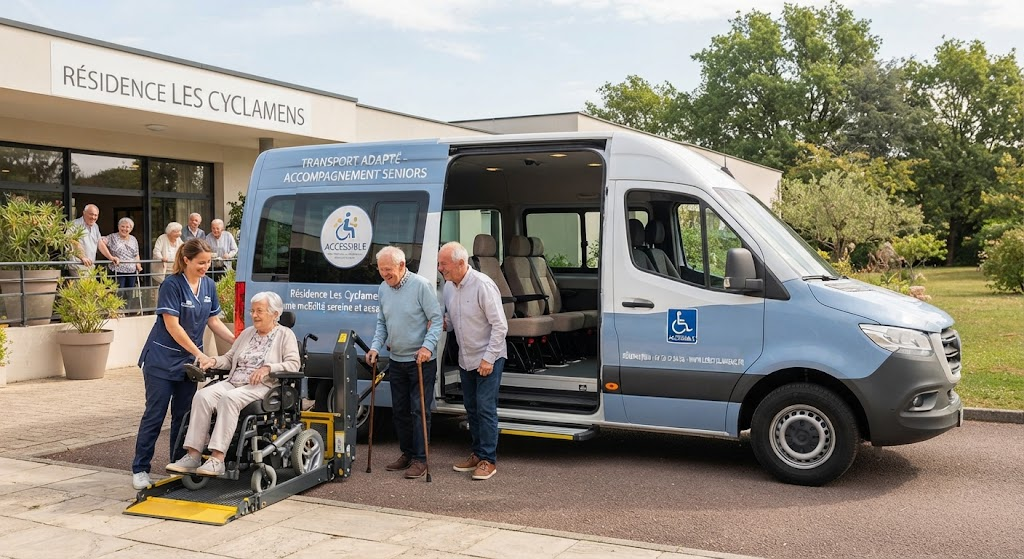
Access to reliable transportation is essential for older adults wishing to maintain their independence. As many seniors face challenges in driving due to various age-related factors, assisted transportation emerges as a vital resource. This article explores how these services enhance quality of life and enable seniors to live actively and connected.
Understanding Assisted Transportation for Seniors
To appreciate the impact of assisted transportation, it’s important to recognize its role in senior living. These services provide more than just a ride; they ensure that older adults can participate fully in their daily lives. As driving becomes unsafe for many, alternatives become necessary.
Identifying the Challenges of Aging
Driving poses several challenges for older adults, influenced by various age-related changes. Difficulties may stem from:
- Vision impairments: Many seniors experience declining eyesight, affecting their ability to drive safely.
- Mobility limitations: Joint pain and balance issues can hinder physical capability.
- Reaction times: Aging often slows response times, making immediate decision-making difficult.
- Cognitive challenges: Memory and awareness can decline, complicating navigation and driving judgment.
Consequently, these factors can lead to anxiety and frustration, as losing the ability to drive often feels like losing independence.
Promoting Independence Through Assisted Transportation
Assisted transportation serves as a bridge, enabling seniors to maintain their independence while addressing safety concerns. This support allows older adults to age in place, which many prefer, as it offers comfort and continuity in familiar surroundings.
Facilitating Access to Healthcare
One of the most significant advantages of assisted transportation is ensuring that seniors have consistent access to healthcare services. Regular medical visits are essential for managing health conditions, yet transportation barriers often lead to missed appointments. With reliable transportation, seniors can:
- Attend doctor visits
- Receive preventive care
- Access specialists
- Participate in rehabilitation programs
- Pick up medications
By removing these barriers, older adults are more likely to engage in their healthcare, ultimately improving health outcomes.
Enhancing Social Connections
Isolation remains a pressing issue for many seniors, particularly those who can no longer drive. Limited transportation can restrict attendance at family gatherings, community events, and social activities. Over time, this can lead to feelings of loneliness and depression.
Assisted transportation provides an avenue for maintaining social ties and engaging in meaningful activities, which is vital for emotional well-being. By helping seniors stay connected, these services play an important role in fostering mental health and quality of life.
Supporting Daily Errands
Everyday tasks can become daunting without proper transportation. Seniors still need to manage essentials, such as grocery shopping, banking, and attending community events. Assisted transportation enables older adults to run errands and maintain their independence, allowing them to continue managing their personal affairs.
Building Confidence and Self-Esteem
Many seniors equate driving with freedom and independence. The transition to no longer driving can be emotional, impacting their confidence and self-worth. However, assisted transportation offers a practical solution to this change.
With reliable transportation, seniors do not need to rely solely on family or friends, allowing them to retain a sense of autonomy. They can choose to participate in activities they love, enhancing their overall well-being.
Combining Home Care and Transportation
Many home care agencies integrate transportation assistance into their services. Caregivers not only provide rides but also support older adults during outings, ensuring safety and comfort. This might include helping with mobility issues, managing appointments, or carrying items.
Ensuring Safety for Seniors
Safety remains a primary concern for families seeking transportation options for their aging loved ones. Professional transportation services mitigate risks associated with driving and ensure seniors arrive at their destinations safely. Families can rest easy knowing their loved ones have reliable assistance whenever necessary.
Improving Overall Quality of Life
Reliable transportation profoundly influences the quality of life for seniors. By supporting everyday routines, social connections, and healthcare access, assisted transportation allows for an active and fulfilling lifestyle. Without viable transportation options, even simple tasks can become obstacles to independence.
Understanding the Broader Impact of Transportation
Assisted transportation transcends mere mobility. It opens doors to essential services, social engagement, and overall well-being, supporting healthy aging. For many seniors wishing to remain independent while aging in place, these services provide a significant lifeline.