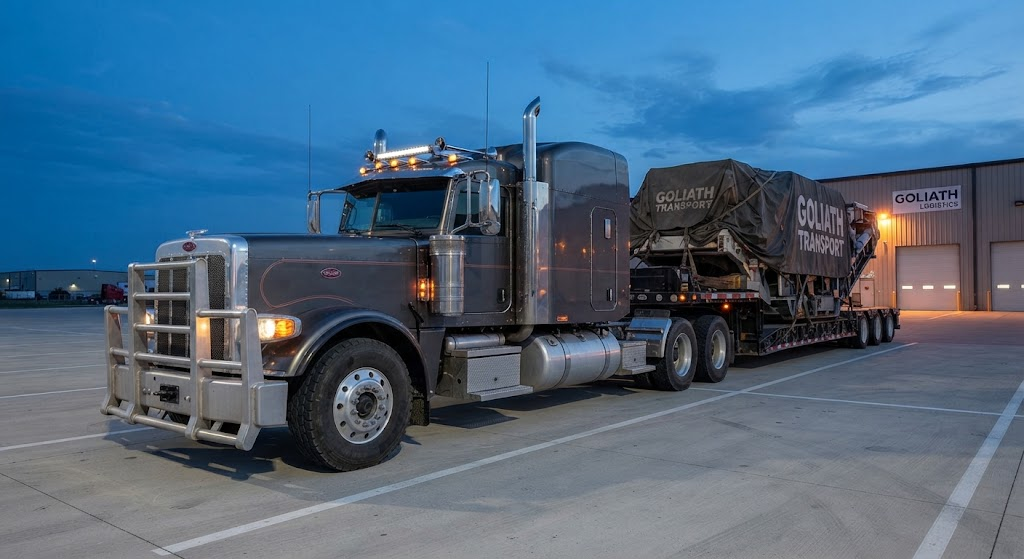
In the intricate world of logistics, transporting high-value freight involves meticulous planning and the utilization of specialized equipment. This niche of freight demands not only the right tools but also an expert understanding of handling requirements, ensuring safety and compliance throughout the journey. As businesses continue to prioritize swift and secure delivery of their valuable goods, the role of specialized equipment becomes increasingly significant.
Understanding High-Value Freight Delivery
The term high-value freight refers to shipments that carry substantial monetary or intrinsic value, necessitating a tailored approach to transportation. These goods can include anything from luxury items like fine art and jewelry to critical industrial components essential for operations. Given their sensitivity and vulnerability, ensuring their safety during transit involves addressing unique challenges inherent to their nature.
Identifying the Unique Characteristics of High-Value Freight
High-value freight stands apart due to its specific handling requirements. Unlike standard cargo, such shipments often encounter a plethora of considerations:
- Security: Enhanced security measures are critical to prevent theft or damage. This includes GPS tracking, tamper-proof seals, and secure storage solutions.
- Compliance: Many high-value items require strict adherence to regulations during transport. This can necessitate specialized permits and documentation.
- Handling: Specialized packaging and handling practices are essential to protect these goods from vibrations, shocks, or environmental factors during transit.
With these characteristics in mind, it becomes apparent that conventional transport methods are insufficient for high-value freight.
Utilizing Specialized Equipment
The backbone of effective high-value freight delivery lies in the utilization of specialized equipment. This equipment addresses the unique demands of various types of shipments, significantly enhancing their safety and security.
Types of Specialized Equipment
Several types of specialized equipment cater specifically to the transportation of high-value cargo. Understanding their functions can help logistics providers choose the right tools for their operations:
- Refrigerated Trailers: Essential for temperature-sensitive goods, these trailers maintain strict temperature controls to prevent spoilage.
- Lowboy Trailers: Designed to transport heavy machinery or oversized items, they ensure stable and secure loads, preventing damage during transit.
- Flatbed Trailers: Commonly used for larger items that do not fit within closed structures, offering flexibility in loading and unloading.
Challenges in High-Value Freight Delivery
Even with specialized equipment, the delivery of high-value freight presents several challenges. Recognizing these issues is key to mitigating risks and ensuring successful operations.
Common Challenges Faced by Shippers
Shippers must navigate various hurdles inherent to high-value freight transportation:
- Complex Regulations: Each shipment may involve different legal requirements depending on the nature of the goods and their destination.
- Tight Delivery Windows: With many high-value items, delays can cause significant disruptions, necessitating meticulous planning and execution.
- Coordination Among Multiple Parties: Efficient communication between carriers, suppliers, and receivers is essential to ensure seamless transitions.
Each of these elements requires careful strategy and planning, emphasizing the need for specialized equipment and expertise.
Partnering with Logistics Professionals
To overcome the challenges associated with high-value freight delivery, partnerships with logistics specialists can be invaluable. Their expertise ensures that every aspect of transportation is handled with precision and care.
The Advantages of Working with Logistics Specialists
By collaborating with logistics professionals, businesses can tap into a wealth of knowledge, optimizing their processes in various ways:
- Access to Specialized Resources: Experts have established relationships with carriers and can secure the best equipment and services tailored for high-value freight.
- Improved Risk Management: Professionals will implement best practices and technical solutions to minimize risks during transit.
- Streamlined Compliance: With a thorough understanding of regulations, logistics specialists ensure all documentation is in order to avoid legal complications.
The Future of High-Value Freight Delivery
As the logistics industry evolves, the role of specialized equipment in high-value freight delivery will continue to expand. Integrating advanced technologies, such as real-time tracking and AI-driven analytics, will provide greater visibility and efficiency in managing these sensitive shipments.
Emerging Technologies Transforming the Industry
Technological advancements promise to further revolutionize the transportation of high-value cargo:
- Smart Containers: These containers use IoT devices for monitoring conditions, allowing for real-time adjustments to environmental parameters.
- Data Analytics: Analyzing shipment data can improve routing and handling strategies, enhancing overall efficiency.
- Blockchain Technology: Ensuring transparency and security in transactions, blockchain can help prevent fraud and discrepancies in the supply chain.
In conclusion, the synergy of specialized equipment and expert logistics management is vital for the successful delivery of high-value freight. As technology continues to advance, the logistics landscape will adapt, driving further innovations in security, efficiency, and compliance.