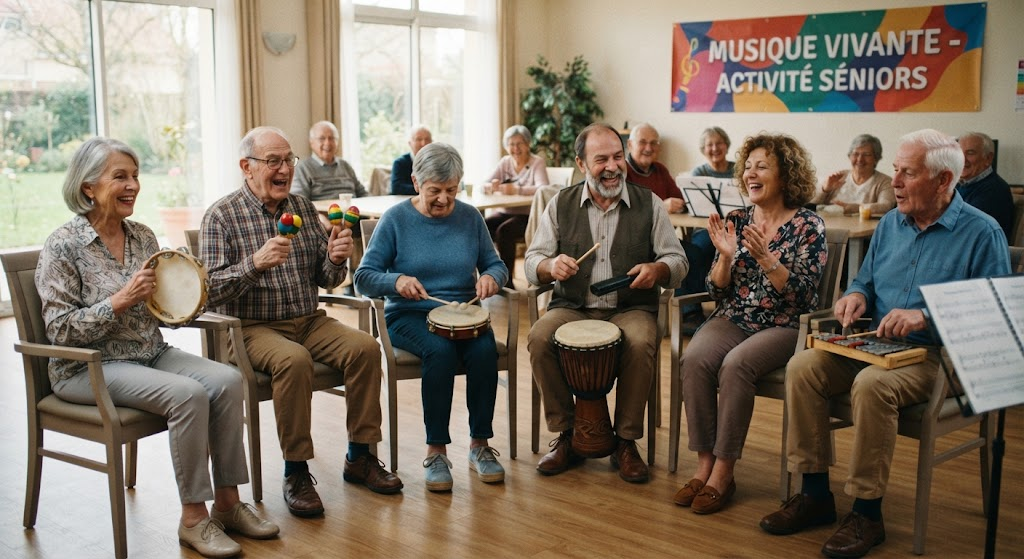
The significance of music, games, and social events for elderly people goes beyond mere entertainment. These activities play a vital role in fostering connections, enhancing mental well-being, and improving overall quality of life. By exploring these avenues, we can better understand their profound impact on our aging population.
Exploring the Role of Music in Elderly Life
Music serves as a powerful medium that resonates deeply with many elderly individuals. It can evoke memories and emotions, creating a strong sense of nostalgia. Moreover, recent research highlights the cognitive benefits that music brings, making it essential in promoting mental health among seniors.
Stimulating Memory and Emotional Connections
Engaging with music often helps elderly individuals reconnect with their past. When they listen to familiar tunes, it can stimulate long-term memories and even help them articulate emotions they may have difficulty expressing otherwise. This connection can lead to enhanced mood and reduced feelings of loneliness.
Facilitating Social Interaction through Music
Group music activities, such as choir practices or sing-alongs, encourage socialization among seniors. Participating in musical events fosters a sense of community, providing opportunities for friendships to blossom. When seniors gather for music activities, it not only entertains but also strengthens their social bonds.
Engaging Seniors through Games
Games are another excellent avenue for keeping elderly individuals active and engaged. Whether it’s board games, card games, or digital entertainment, they offer cognitive challenges and fun experiences. Games promote not just entertainment but also mental stimulation and socialization, which are essential as people age.
Enhancing Cognitive Functions Through Gameplay
Many games require strategic thinking, memory recall, and problem-solving, which contribute positively to mental agility. By engaging in regular gameplay, seniors can keep their minds sharp. Activities such as puzzles and trivia games provide both challenge and enjoyment, creating a balance that is beneficial for mental health.
Fostering Socialization with Group Games
Playing games as a group fosters healthy competition and camaraderie. Group game nights not only stimulate the mind but also serve as a venue for seniors to interact and form meaningful connections. This helps combat the isolation often experienced in older age.
Participating in Social Events for Enhanced Well-Being
Social events tailored for elderly individuals create a vibrant atmosphere where they can thrive. These gatherings—ranging from community potlucks to holiday parties—promote engagement and enrich the lives of attendees. Such events are vital for emotional and social well-being, offering an outlet for expression and celebration.
Creating Opportunities for New Connections
Social events provide a platform for seniors to meet new people and cultivate friendships. This chance to connect can significantly reduce feelings of loneliness. In shared settings, individuals often find common interests, paving the way for lasting relationships.
Improving Mental Health through Community Engagement
Participation in social events is linked to better mental health outcomes. Such activities allow seniors to feel valued and included. Being part of a community enhances their sense of purpose, positively impacting their overall emotional state.
Combining Music, Games, and Social Events for a Fulfilled Life
Integrating music, games, and social gatherings into daily routines can drastically enhance the quality of life for elderly individuals. These activities, when combined, offer a comprehensive approach to physical, emotional, and mental well-being. Developing programs that bring all these elements together can lead to a more vibrant senior community.
Creating Holistic Programs for Elderly Engagement
Organizations should consider forming programs that incorporate music, games, and social interaction in a cohesive manner. This holistic approach engages seniors on multiple levels, ensuring that both mental stimulation and social interaction are prioritized. Such programs not only enrich individual lives but also strengthen community bonds.
Advocating for Increased Resources and Support
To realize the full potential of these activities, there is a need for advocacy and support. Adult day care programs can provide welcoming environments where older adults participate in music, games, and social events. Communities must invest in resources that facilitate these activities, promoting healthier and happier communities while supporting the well-being of the elderly population.