Understanding life insurance is an essential step in creating a solid financial plan for the future. With so many options available, it can be overwhelming to navigate the choices between term and permanent life insurance. This article explores the main differences, helping you make an informed decision about your coverage needs and financial goals.
Defining Term Life Insurance
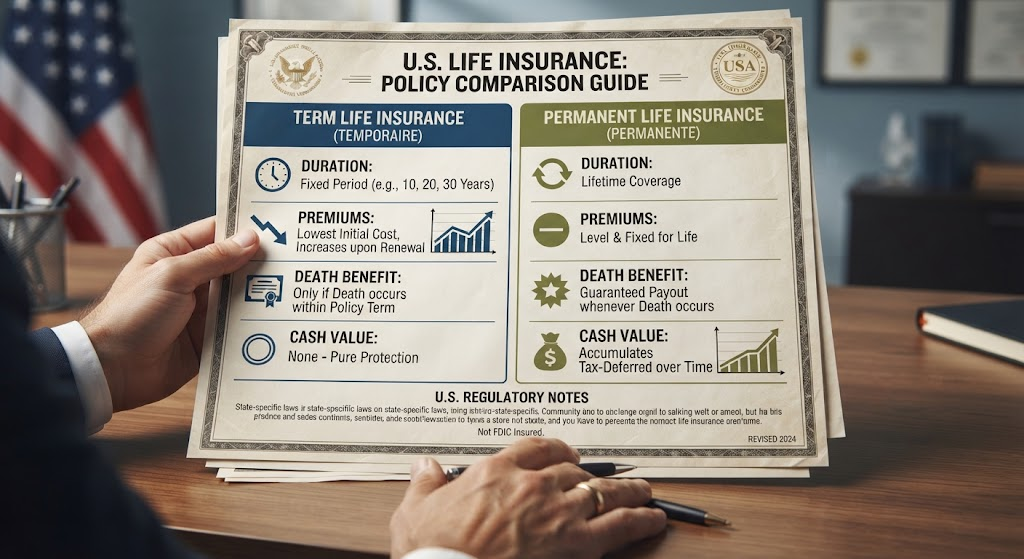
Term life insurance is a straightforward and affordable option designed to provide coverage for a specific period, catering to various financial needs. This type of policy is perfect for those seeking temporary protection without the complexities of cash value accumulation.
Key Features of Term Life Insurance
Term life insurance policies are typically available for durations of 10, 20, or 30 years, allowing flexibility to match coverage with life’s financial responsibilities. This form of insurance pays a death benefit if the insured passes away during the specified term, ensuring peace of mind for families or dependents reliant on that income. The absence of a cash value component makes term policies more affordable compared to their permanent counterparts.
Affordability and Accessibility
One of the standout features of term life insurance is its affordability, making it an attractive option for young families or individuals carrying debt. Premiums usually remain stable throughout the term, with rates being influenced by factors such as age and health status. This pricing structure allows for higher coverage amounts at a relatively low cost, accommodating those with tight budgets.
Understanding Permanent Life Insurance
Contrasting sharply with term life insurance, permanent life insurance provides coverage for the insured’s lifetime, assuming premiums are paid as required. This option encompasses various policy types, including whole life and universal life, each offering distinct features and financial benefits.
Lifetime Coverage and Cash Value Accumulation
Permanent life insurance is structured to last a lifetime, continually offering a death benefit to beneficiaries. Unlike term policies, permanent policies build cash value over time, making them effective tools for long-term financial planning. This cash value can serve as a resource, allowing policyholders to borrow against it or withdraw from it if needed. However, accessing this cash value typically comes with rules and possible tax implications.
Complexity and Financial Commitment
While permanent life insurance offers many advantages, it is generally more complex and costly than term life. The higher premiums reflect not only lifelong coverage but also the policy’s cash value component. Moreover, understanding the different types of permanent insurance — like variable universal life — often requires expert guidance to navigate effectively. As a result, permanent insurance may suit those with significant long-term financial goals or legacy planning needs.
Comparative Analysis: Pros and Cons of Each Type
When deciding between term and permanent life insurance, weighing the advantages and disadvantages of each can illuminate which option aligns best with personal circumstances.
Pros of Term Life Insurance
Term life insurance boasts numerous benefits, including:
- Cost-Effectiveness: Lower initial premiums make it ideal for budget-conscious individuals looking for substantial coverage.
- Simplicity: Easier to understand and manage, making it accessible for those new to life insurance.
- Flexibility: Options available for varying term lengths allow coverage to align with life events.
Cons of Term Life Insurance
However, term life insurance does come with its drawbacks, such as:
- No Cash Value: Provides only a death benefit, leaving no residual asset once the term ends.
- Temporary Coverage: Ends upon policy expiration unless renewed, which may involve higher premiums later in life.
- Limited Scope: Not suitable for long-term estate planning or other financial strategies that require lifetime commitments.
Pros of Permanent Life Insurance
Conversely, permanent life insurance offers benefits like:
- Lifetime Protection: Ensures a death benefit as long as premiums are maintained, ideal for families with long-term financial needs.
- Cash Value Growth: Accumulates value over time, serving multiple financial objectives.
- Estate Planning Benefits: Can help manage wealth transfer and cover potential estate taxes.
Cons of Permanent Life Insurance
Yet, it also has its downsides:
- Higher Costs: Generally requires a larger financial commitment with more expensive premiums than term policies.
- Complex Management: Policies can be intricate, often necessitating professional advice for optimal management.
- Slow Cash Value Accumulation: Initial cash value growth may be modest, while fees can apply if the policy is canceled early.
Making the Right Choice for Your Needs
Choosing between term and permanent life insurance hinges on individual financial situations and objectives. It’s essential to assess factors such as age, budget, and specific coverage needs when making this critical decision. For instance, younger individuals with short-term obligations might benefit more from the affordability of term life, while those with long-term planning goals might find permanent insurance to be a better investment.
Evaluating Life Stages and Financial Strategies
Life stages significantly influence insurance needs. Young parents may prioritize term insurance for protection during their children’s upbringing, whereas middle-aged professionals may consider a mix of both policy types to create a well-rounded financial plan. Retirees might lean towards permanent life insurance for wealth transfer and final expense coverage. Engaging with a financial representative can illuminate the best options tailored to personal circumstances.